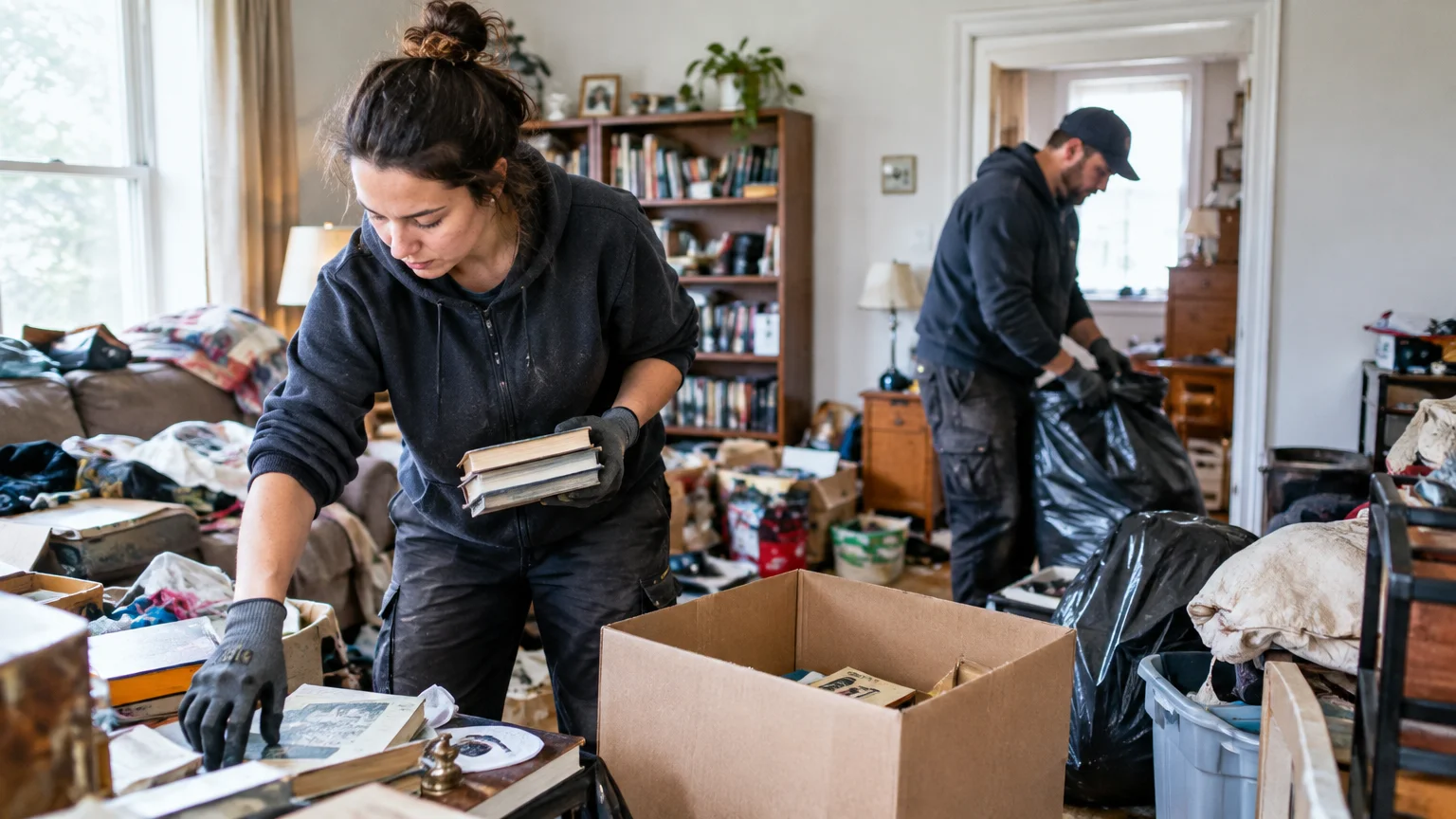
To prepare for a hoarding cleanup, begin with safety, clear goals, and a simple plan. Choose priority rooms, protect important items, arrange access, and share known hazards with the team. A calm process helps Pflugerville Junk Removal support families and property owners without rushing hard choices.
What should you do before a hoarding cleanup begins?
Before work starts, the family or property owner should agree on the main goal. That goal may be safer walkways, a usable kitchen, a clear bedroom, or a property ready for sale. A small first goal often feels easier than trying to clear the whole home at once.
Hoarding cleanup means the careful removal of excess items from a home where clutter affects safe use. It is not just a fast junk removal visit. The work may include sorting, hauling, cleaning, and planning for repairs.
How can you set realistic goals for the cleanup?
The person living in the home should have a voice in the plan when possible. Family members can help, but they should avoid threats, blame, or surprise removal. These actions may increase fear and make future progress harder.
A written plan can help everyone stay focused. It can name the first room, items that must stay, and safety problems that need attention. The plan should also include breaks. Cleanup can feel tiring and hard, even when everyone wants the home to improve.
Which rooms and safety concerns should come first?
Begin with areas that affect daily life or urgent safety. These may include exits, stairs, halls, bathrooms, kitchens, and sleeping areas. Blocked doors, weak stacks, spoiled food, sharp items, pests, mold, and water damage need early attention.
Tell the cleanup team about pets, children, medical needs, fragile belongings, and known hazards. The team also needs to know whether the home has working water, power, and safe lighting. Pflugerville Junk Removal can help Pflugerville homeowners choose the first room and plan safer access.
How can you prepare the property and belongings for cleanup?
Good preparation protects people and important belongings. The owner does not need to move every item before the team arrives. Instead, mark essential items, gather key papers, and make a clear path to the main entrance.
How should essential, sentimental, and unwanted items be separated?
Use three simple groups: keep, review, and remove. The keep group may include medicine, identification, legal papers, family records, working devices, and items used each day. The review group can hold items that need more time or a family decision.
The remove group may include broken furniture, spoiled goods, empty containers, and items no one wants. Family members should not throw away valuables without permission. Small labels, colored tape, or separate rooms can help stop mix-ups.
Sentimental items need extra care. Place photos, letters, artwork, and heirlooms in clean boxes away from the work area. Keep important papers with a trusted person instead of leaving them near items marked for removal.
How can access, utilities, and parking be arranged?
Make sure the team can reach the home and rooms that need work. Clear the path from the driveway to the entrance when possible. Unlock gates, secure pets, and tell the team about stairs, narrow doors, or weak floors.
Working utilities can help with sorting and cleanup, but unsafe systems should not be used. Report leaks, power problems, gas odors, broken steps, or signs of building damage before work begins. A parking space near the entrance may reduce lifting distance and help the work move smoothly.
What happens during a professional hoarding cleanup?
A professional cleanup often starts with a walk-through and a review of the plan. The crew identifies items for removal, items needing protection, and areas needing extra care. The team then works in sections instead of removing everything at once.
How is the cleanup process organized?
A common process includes these steps:
- Review the home and safety plan. The crew checks access, rooms, hazards, and the owner’s priorities.
- Create sorting areas. Keep, review, donation, recycling, and disposal areas help prevent confusion.
- Clear safe paths first. Open exits, halls, stairs, and routes to important rooms.
- Remove unwanted items. The crew loads approved household junk, furniture, appliances, and other materials.
- Clean cleared areas. Sweeping and basic surface cleaning may reveal damage or needed repairs.
- Review the results. The owner checks the space and notes any next steps.
Mattresses, freezers, tree branches, yard waste, dirt, sod, and building debris may have different disposal rules. Ask what the crew can handle before work begins. Local disposal sites may also have separate rules for these materials.
When may specialized removal or sanitation be needed?
Some homes need more than ordinary hauling. Strong odors, pests, mold, animal waste, needles, or spoiled materials may need special cleaning or another trained professional. Cleanup crews should not handle dangerous materials outside their training.
A hoarding cleanup may also uncover damaged drywall, floors, plumbing, wiring, or insulation. Construction Debris Removal can help with approved renovation waste after repairs begin. If the property is tied to an estate, move, or sale, an Estate Cleanout or House Cleanout may help with remaining household items.
How can you make hoarding cleanup less stressful afterward?
Cleanup is only one part of making a space usable again. After removal, walk through each cleared room and note repairs, cleaning needs, and items that still need a home. A simple plan helps the space stay useful without demanding perfection.
How should repairs and organization be planned?
Repair urgent problems first. Fix unsafe steps, broken locks, leaks, exposed wires, and damaged floors before adding storage. Next, clean surfaces and improve lighting. Open shelves, clear bins, and labels can make needed items easier to find.
Avoid filling every open area at once. Empty space makes future cleaning easier. A weekly check of exits, halls, food storage, and waste can also catch problems early.
How can safety and support continue after cleanup?
Support should stay respectful and ongoing. A family member, trusted friend, counselor, or care professional may help the resident make choices and keep routines. The goal is a safer, more usable home, not punishment or shame.
Property owners and managers may need a different plan when a home must be rented, sold, or repaired. Foreclosure Cleanout and Estate Cleanout services can help when removal covers several rooms. Pflugerville Junk Removal can explain the next practical step for a property, including homes near Downtown Pflugerville, Falcon Pointe, Round Rock, Hutto, Manor, and Wells Branch.
Frequently Asked Questions
Should the resident be present during a hoarding cleanup?
The resident should be involved when it is safe and practical. Their input can prevent the loss of important or meaningful items. Some people may need breaks or support during sorting. If the home has serious hazards, a qualified professional should help decide who can enter safely.
What should be removed first from a crowded home?
Blocked exits, unsafe paths, spoiled materials, sharp objects, and weak stacks usually need early attention. The first goal should be safe movement through key areas. After that, the team can work on the kitchen, bathroom, bedroom, or entryway based on the owner’s needs.
Can a junk removal company handle every item in the home?
Not always. Some materials need special handling, including chemicals, medical waste, fuel, asbestos, and certain electronics. Describe unusual items before scheduling service. The crew can explain what it accepts and when another licensed provider may be needed.
How can families avoid making cleanup more stressful?
Families can use calm words, avoid blame, and agree on one clear goal at a time. Protect documents, medicine, money, and sentimental items before removal starts. Regular breaks and respectful choices can help the resident stay involved and feel safe.
Key takeaways
- Start with safety, clear paths, and one realistic cleanup goal.
- Sort items into keep, review, and remove groups.
- Protect documents, medicine, valuables, and sentimental belongings.
- Tell the crew about hazards, pets, utilities, access, and unusual materials.
- Plan repairs, storage, and ongoing support after removal.
Conclusion
A hoarding cleanup is easier when the plan is calm, clear, and respectful. Safety comes first, and the resident’s needs should guide important choices. With good preparation, a crowded property can become more usable without making the process rushed or painful.
Contact us to discuss a respectful hoarding cleanup plan with Pflugerville Junk Removal.