To remove junk during an office cleanout, first decide what to keep, reuse, donate, recycle, or discard. Then plan around staff needs, building rules, and safe access. Pflugerville Junk Removal helps businesses plan for bulky items and a more organized removal day.
Table of Contents
- What counts as junk during an office cleanout?
- How should a business plan an office junk removal project?
- How can you sort office items before removing them?
- What should businesses know before removing office electronics?
- How can you remove office junk safely and efficiently?
- What affects the time and effort needed to remove office junk?
- How can a business prepare for its next office cleanout?
What counts as junk during an office cleanout?
Office junk means furniture, equipment, supplies, and other things a business no longer needs. Some unwanted items may still be useful to someone else. Decide what should happen to each item before moving it. This can help keep useful goods from being thrown away by mistake.
Furniture, cubicles, and fixtures
Old desks, chairs, filing cabinets, shelves, and tables often need removal. Businesses may also clear cubicle panels, meeting room furniture, reception desks, and broken storage units. A fixture is an item that is part of a space, such as a shelf or counter. Check with the property manager before removing fixtures or anything attached to the building.
Large furniture can be hard to move through a narrow hall or elevator. Note which pieces come apart and which need a clear route. Keep furniture that staff still use outside the removal area. Also mark items that belong to the building, not the business. This simple check can prevent mix-ups on cleanout day.
Electronics, supplies, and general clutter
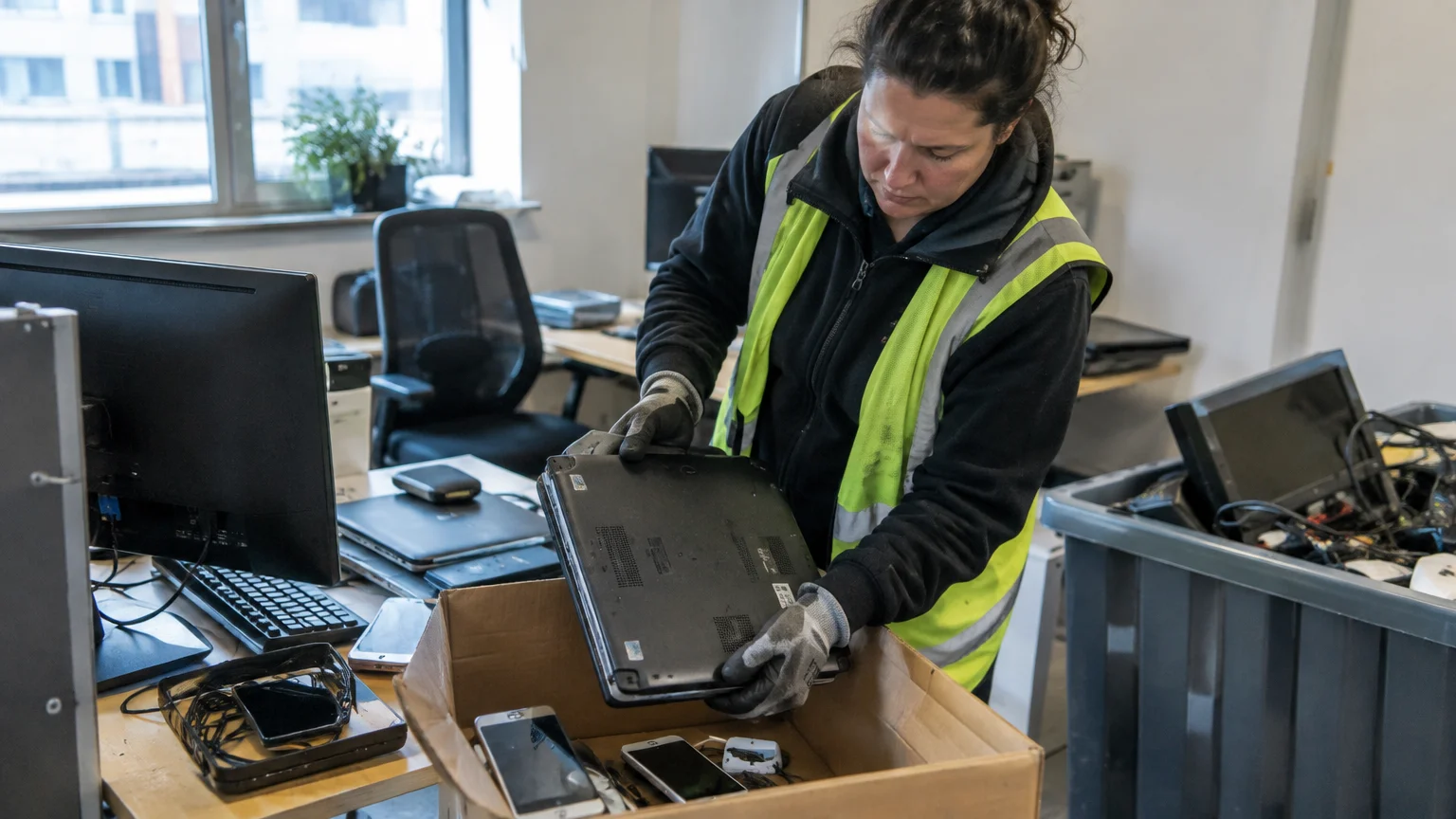
Printers, monitors, computers, phones, and other devices may need special care. Cables, batteries, and old office machines may need separate handling too. Boxes of paper, worn supplies, broken decorations, and unused items can quickly fill a work area. Not everything that looks unwanted belongs in ordinary rubbish.
First, check who owns each item and whether it still works. Then find out if it holds business records or stored data. A working desk may be useful to another team, while a broken printer may need electronics recycling. Pflugerville Junk Removal can help businesses think through the different items before removal.
How should a business plan an office junk removal project?
Start with a list of items to remove, a set work area, and a time that limits disruption. Add building access rules, staff jobs, and any property manager requirements to the plan. Clear steps help the team avoid last-minute questions and keep the cleanout moving.
Set goals, scope, and a workable schedule
Begin by writing down why the business needs a cleanout. A move, remodel, lease change, or office reset may need a different plan. Choose the rooms included, decide what stays, and mark what must go. A room-by-room list gives staff and the removal team the same view of the work.
Pick a time that fits the business day. The team might clear a storage room before moving to shared work areas. This can keep desks and walkways open for staff who still need to work. Leave time for sorting, packing, and any approval needed for large or built-in items.
A clear plan should also name the person who can answer questions. Staff may find an item that is missing from the list or unsure whether it should stay. Give them a simple way to check before moving it. This helps the business avoid delays and unwanted surprises.
Coordinate with staff, property managers, and building operations
Tell staff what will be removed and when the work will happen. Ask them to label personal belongings and equipment that must stay. Choose one manager to answer questions and approve changes. This can stop a needed item from being removed by mistake.
Check building rules before choosing the removal date. The property manager may set rules for loading areas, elevator use, door access, or work hours. Some buildings may ask for insurance details or notice before a service team arrives. Confirm the rules early and share them with everyone involved.
Buildings in Pflugerville can have different layouts and access rules. Note stairs, loading access, and any limits on where items may wait. Pflugerville Junk Removal can use those details to understand the site and plan the work. Keep the plan easy to follow, and update it if the work area changes.
How can you sort office items before removing them?
Sort items by what should happen next: reuse, donation, recycling, or disposal. Use clear labels and keep each group in a separate place. This makes useful items easier to find and helps keep records, electronics, and personal belongings apart.
Separate items for reuse, donation, recycling, and disposal
Before setting an item aside for reuse or donation, check that it is safe, clean, and useful. A working chair or shelf may help another team or local group. Do not pass on broken or unsafe goods as usable items. Ask a receiving group what it accepts before setting aside large furniture, since rules can vary.
Set up marked areas or containers for each group. Keep walkways clear, and do not stack heavy items where they could fall. For a large office, use the same labels in every room. A short note to staff can explain where each group belongs and what each label means.
- Reuse: Items the business plans to keep or use in another place.
- Donation: Clean, usable items a receiving group has agreed to take.
- Recycling: Materials accepted by a suitable recycling program.
- Disposal: Items that cannot be reused or accepted for recycling.
Identify confidential records and items that need special handling
Keep files, labels, and storage devices separate until the right person checks them. Confidential records are papers or data that should not be seen by people without permission. Follow the business’s rules before shredding or getting rid of records. Never put private papers in a general junk pile.
Some items need special care because they contain batteries, chemicals, or other parts that should not go in ordinary waste. Make a separate list and ask the right local waste or recycling service how to handle them. Do not move an item if it is leaking, damaged, or hard to identify. Mark the area and keep staff away until someone gives clear advice.
What should businesses know before removing office electronics?
Before removing electronics, protect stored data, check who owns each device, and sort items by type. Computers and phones may hold private business information, even when they no longer work. Keep batteries and many electronic items out of ordinary rubbish.
Protect data and prepare devices for removal
Ask the person who manages business technology to review each computer, phone, printer, or storage device. Follow the company’s process for removing data before a device leaves the site. Deleting a file may not fully clear a device. Follow trusted instructions for that device or ask an IT professional for help.
Keep devices that need review in a secure area. Label them so staff know they are not ready to leave. Remove business labels or account details only after the right person approves it. If a device belongs to a staff member or leasing company, check who may approve its removal.
A simple device list can show the item type, owner, and next step. Do not write passwords or private data on the list. This record can help the business track each item as it moves from the office to reuse, recycling, or another approved route.
Keep electronics and batteries out of ordinary waste
Electronics recycling means collecting and handling devices apart from regular rubbish. Local choices and accepted items can vary, so check with a suitable electronics recycler or local waste program. Ask what it accepts before bringing devices there.
Keep loose batteries separate, and cover exposed ends when suitable by following the maker’s advice. Do not place damaged batteries in a regular pile or bin. If a battery is swollen, hot, leaking, or damaged, keep people away and ask the proper local safety or waste service what to do. These steps can reduce avoidable risks during an office cleanout.
How can you remove office junk safely and efficiently?
A safe office cleanout needs a clear route, a tidy work area, and a plan for heavy or awkward items. Staff can sort and handle light tasks, but should not lift things beyond their ability. Get trained help for bulky loads, hard access, or items that may be unsafe to move.
Prepare access routes and protect the workspace
Before work begins, move loose supplies and small items away from doorways and halls. Protect floors and walls where large objects will pass. Keep exits open, and make sure staff can still reach the areas they need. Set the work zone apart from people who are not part of the cleanout.
Check tight doorways and elevator space if large furniture must pass through. Find out if furniture can come apart, and keep its parts together. Never block fire doors, stairwells, or building equipment. In a shared building, let nearby tenants know when noise or moving items may affect them.
The removal path should stay clear throughout the job. Put tools and boxes away from doorways, and do not leave loose items where people walk. If the route changes, tell the team before moving large items. A clear path helps protect people and the building.
Reduce lifting, trip, and disruption risks
Keep boxes small enough to carry safely. Do not stack them so high that they block the view ahead. Use a trolley for loads that suit it instead of carrying everything by hand. Never ask one person to move a heavy desk or cabinet alone. Leave loads that are too heavy, awkward, or hard to grip for trained removal staff.
Loose cables, open drawers, and items on the floor can cause trips. Keep cords out of walkways, and secure them only when it is safe and allowed. Staff should wear closed-toe shoes and follow building safety rules. Stop the work if a route becomes blocked or an item shifts in an unsafe way.
Some office cleanouts involve more than moving unwanted furniture. The team may need to sort items, protect shared spaces, and follow building access rules. For larger jobs, choose one person to keep staff informed and answer questions. This helps everyone know what is happening without making every employee responsible for removal.
What affects the time and effort needed to remove office junk?
The time and effort depend on how many items there are, how large they are, and how easy they are to reach. Building rules, sorting, and the type of material matter too. Clearing a small room with open access differs from clearing a full floor with heavy furniture and limited loading space.
Consider item volume, access, and building requirements
First, look at the amount and type of material. Moving a few chairs is simpler than clearing rows of desks, cubicle panels, and file cabinets. Heavy or bulky items may need more people, tools, or time to move safely. Items that need a review or extra sorting can add more steps.
Access can change the work plan. A nearby loading door may help, while stairs, long halls, tight turns, or elevator limits may make removal harder. Ask the property manager about access times, lift bookings, and loading rules. Share these details with the removal team before the planned work date.
A move or remodel may bring extra needs. The business may have to protect finished floors, keep some rooms open, or clear items by a set day. Explain these needs early so the team can plan the order of work. A good plan can also limit disruption to normal business activity.
Plan around business operations and disposal needs
Choose a work time that lets staff do their jobs. If the whole office cannot close, divide the cleanout into smaller areas. Clear storage first, then move to shared spaces when staff can work elsewhere. Tell employees when halls or meeting rooms may be busy.
The next step for each item can also affect the plan. Reuse, donation, electronics recycling, and disposal may each have different rules. Check what receiving groups will accept before setting items aside. A clear sort plan helps prevent extra handling and keeps rejected items from slowing down the work.
For a business clearing several rooms, commercial cleanout services can help with the removal plan. Give the service team a clear description of the items, access, and building rules. Confirm the plan before work begins, including what is included and which items need separate care.
How can a business prepare for its next office cleanout?
A business can make future cleanouts easier by keeping a simple inventory, naming a staff lead, and setting rules for unwanted furniture and equipment. Regular checks can find unused items before they fill storage rooms. A repeatable process also helps staff protect records and sort items the right way.
Create a simple process for future furniture and equipment changes
When new furniture or devices arrive, decide what will happen to the old items. Record who owns them and whether they can be reused, donated, recycled, or removed. Keep that information with the business’s usual equipment records. Staff will have a clear place to check before moving anything.
Name a point person for cleanouts and share the basic steps with staff. The process can explain how to label items, protect records, and flag equipment needing special care. Check building rules again when the business moves, changes its space, or gets a new property manager. Small checks can help prevent a rushed cleanout later.
Key takeaways
- Decide what stays, what can be reused, and what must leave.
- Keep private records and devices separate until they are reviewed.
- Check building access and work rules before setting a removal date.
- Keep walkways clear and leave heavy lifting to trained people.
- Confirm where electronics, batteries, and other special items should go.
Frequently Asked Questions
How do businesses handle a large office cleanout?
Start with a room-by-room list, choose a staff lead, and agree on what stays or goes. Then check building access, protect records, and sort items by their next step. For a large site, clear one area at a time. This can limit disruption and keep the work organized.
How should a business get rid of old office furniture?
First check whether the furniture belongs to the business or the property owner. Set aside safe, usable pieces for reuse or donation, and ask receiving groups what they accept. Broken or unsafe items may need another route. Do not leave furniture in shared halls or outside without approval.
Can office electronics go in regular rubbish?
Many electronics and batteries should stay out of ordinary rubbish. They may contain parts that need separate recycling or care. Check with a suitable local electronics recycler or waste program about what it accepts. Before a device leaves, ask the right person to protect any business data stored on it.
What should happen to private files during a cleanout?
Keep private files away from general junk until an approved person reviews them. Follow the business’s rules for keeping, shredding, or securely getting rid of records. Do not leave papers in an open pile or give them to a donation group. Ask the person in charge of records if the next step is not clear.
Do staff need to move heavy office items themselves?
No. Staff can sort light items and label areas, but they should not lift anything that feels too heavy or awkward. Use moving equipment only when staff know how to use it safely. Trained removal help is a better choice for large desks, cabinets, and items on stairs.
A well-planned office cleanout helps a business clear space while protecting people, records, and useful items. Start by sorting, checking building rules, and making a safe removal plan. Office teams in Pflugerville can use these steps for future cleanouts. Contact us at Pflugerville Junk Removal to discuss an office cleanout for your business.