A whole house cleanout works best when you set a clear goal, sort belongings, and plan removal before moving items. This guide explains how to make a safe, steady plan for a home in Pflugerville. You can decide what to keep, donate, recycle, or remove, and learn which items need special care.
Table of Contents
- What does a whole house cleanout involve?
- How should you plan a whole house cleanout?
- How do you sort belongings during a house cleanout?
- Which rooms should you clear first?
- How do you prepare furniture and household items for removal?
- What items require special handling or disposal?
- How should you plan removal for a large cleanout?
- Should you handle a house cleanout yourself or hire a service?
- How can you manage an estate cleanout or move-out?
- What are the key takeaways for a successful whole house cleanout?
- Frequently Asked Questions
What does a whole house cleanout involve?
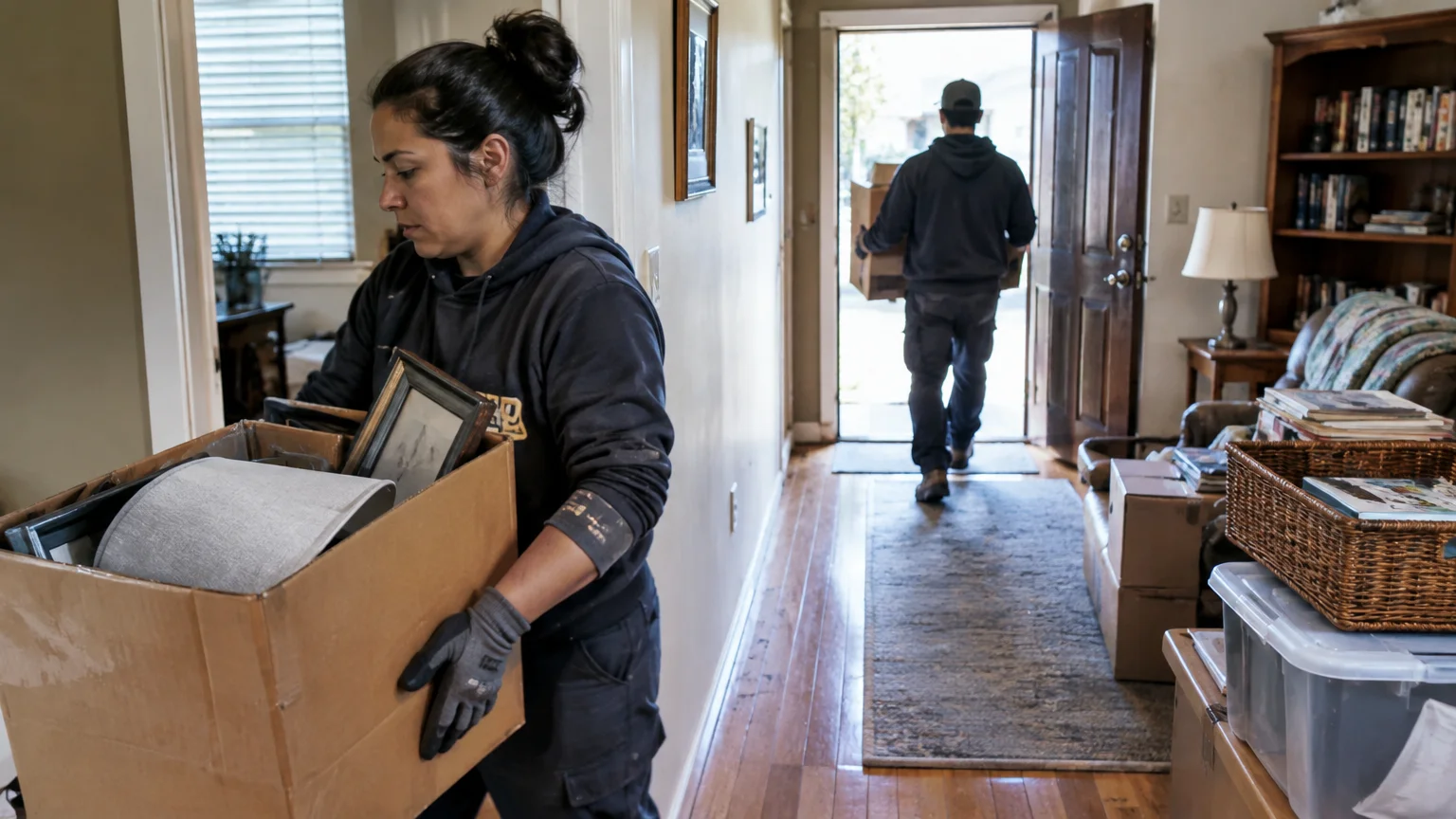
A whole house cleanout means sorting and removing unwanted items from a home. The work may include furniture, boxes, appliances, household goods, and debris. It can cover a few rooms, storage areas, or the entire property, based on what the owner needs.
How does a full cleanout differ from a room declutter?
A room declutter focuses on one small area and leaves most of the home as it is. A full cleanout looks at several rooms and storage spaces. It may include bedrooms, living areas, a garage, an attic, a basement, or outdoor storage. Planning each area can stop items from being carried back and forth.
The goal is not to throw everything away. Keep useful belongings, set aside items for family, and find goods that may be donated or recycled. The work is done when unwanted items are gone and the home is left ready for its next use. A house cleanout can involve many kinds of belongings, so clear choices make each step easier.
When might a homeowner need a full-property cleanout?
A cleanout can help before a move, after a home sale, or when stored belongings have filled the property. It may also be useful after a tenant moves out, during an estate process, or before home repairs. A house cleanout service can help with removal after the owner decides what should stay.
For a foreclosed home, the owner or property manager should first confirm who may enter and what must remain. Property rules or agreements may affect what can be removed. Pflugerville Junk Removal can explain the removal process to homeowners, while the person in charge makes the final choices about the property.
How should you plan a whole house cleanout?
Begin by setting a goal and choosing which areas need attention first. Then make a schedule, gather basic supplies, and note items that need careful handling. A simple plan can prevent rushed choices and help family members or other people involved stay on the same page.
How can you set priorities and scope?
Walk through the home and write down each area that needs work. Decide whether you need to clear one floor, prepare the home for sale, or remove only certain belongings. Mark spaces that need to be ready first, such as a hallway needed for safe access or a bedroom that needs repair.
Leave enough time to sort before removal is arranged. Add time for decisions, donation drop-offs, and checking local collection rules. A tight schedule can cause useful items to be tossed or important papers to be missed. If others are helping, agree on who can approve removal before work starts.
Which items need special attention?
Look for things that may need a separate plan. These can include paint, cleaners, fuel, batteries, medical supplies, electronics, or large appliances. Do not mix unknown liquids or chemicals with normal household waste. Keep children and pets away from items that may leak, break, or cause harm.
Make a short list of questions for the local waste or recycling provider. Rules can differ by area, and some goods need a special drop-off place. Put important papers, keys, medicines, and valuables in a separate, marked spot. This simple step helps keep them out of the removal pile.
How do you sort belongings during a house cleanout?
Sort items into clear groups before removal: keep, donate, recycle, and remove. These groups make choices easier and help stop wanted belongings from getting mixed with junk. Use labels or separate areas so everyone helping knows where each item belongs.
How should items be separated?
Choose one spot for each group. Keep items that will stay in the home together, and place donations somewhere clean and dry. Set recyclable goods aside only if a local program accepts them. Put unwanted items in a separate place that is easy to reach on pickup day.
Before offering an item for donation, check that it is clean, safe, and still useful. Broken or stained goods may not be accepted. Review papers before recycling or throwing them away, especially if they hold personal or money details. If you are unsure, pause and check instead of making a quick choice.
- Keep: Items the owner plans to use, store, or pass to family.
- Donate: Clean goods that are useful and accepted by a local group.
- Recycle: Materials a local recycling program says it can take.
- Remove: Unwanted items that are not right to keep, donate, or recycle.
How can families decide what to do with sentimental belongings?
Put photos, letters, family keepsakes, and other personal items aside for a separate review. Family members can look through them together, or one person can gather them for later. You do not have to make every hard choice during the first sorting session.
For inherited belongings, agree on how choices will be made before removal begins. A shared list or marked box can help avoid mix-ups. Keep valuable or important items safe until the person in charge has reviewed them. If ownership is not clear, wait until the right person can decide what should happen.
Which rooms should you clear first?
Start with the room or path that affects safety, access, or the cleanout deadline. Clearing an entryway can make it safer to carry items without walking around obstacles. Then work through the home in a planned order instead of switching between spaces at random.
How do you choose a starting point?
Think about what the home needs first. If movers or repair workers are due, clear the areas they need to reach. If the home is being prepared for people to view, start with the spaces that need to be ready. For a large cleanout, a room-by-room list makes progress easy to follow.
Keep stairs, exits, and walkways free of items waiting for removal. Make a clear path from each room to the door. If a path gets crowded, stop moving things until it is safe again. Good access helps protect people, walls, floors, and belongings.
What order works for bedrooms, living areas, and storage spaces?
When access is clear, choose an order that suits the home. Some people start with the main living areas, while others begin where the most unwanted items are stored. Finish one small space before opening boxes in another room. This makes it easier to see what is done and what still needs a choice.
Bedrooms may hold clothing, bedding, and personal papers. Living areas often have furniture and electronics. Attics, basements, and garages can contain mixed goods that need more sorting. Check storage spaces for items owned by someone else or things that need special care. An estate cleanout service can help with removal after the owner or family sorts what should stay.
How do you prepare furniture and household items for removal?
Make items easy to identify and reach, but leave heavy or awkward lifting to people with the right tools and help. Clear paths, group items that are going, and point out anything that must stay. Before moving furniture, check doorways, stairs, and tight turns to make sure it can pass safely.
How should furniture be readied for pickup?
Take loose items out of drawers, shelves, and cushions. Keep small parts, such as shelves or hardware, with the furniture if they are needed. Do not assume broken furniture must be taken apart. A removal team can say whether it should stay whole based on its size and the way out of the home.
Before setting old furniture aside for removal, check if it may be given away. A chair with a strong frame may still be useful, while furniture with sharp breaks or major damage may not be accepted. Do not leave large pieces by the curb unless local rules and the pickup plan allow it.
What should be done before the pickup?
Separate items for removal from belongings that will stay. Keep pets away from the work area, and tell the crew about stairs, tight spaces, or surfaces that may be easy to damage. If an item is too large to move safely, do not lift it alone. A fall or dropped item can turn a simple cleanout into a bigger problem.
Remove food and loose contents from appliances. Keep each appliance upright if its handling guide says to do so, and do not cut cords or hoses unless you know how to do that safely. If a unit is hooked up to gas or water, ask a qualified person for help when needed. Clear instructions help the removal team work safely.
What items require special handling or disposal?
Some household goods should not go in regular trash or normal recycling. Paint, fuel, chemicals, batteries, and some electronics may need a special collection. Ask local waste agencies what they accept and where items can be taken before adding them to a removal pile.
How should hazardous or restricted items be handled?
Keep unknown chemicals in their original containers when you can. Do not pour them down a drain or mix them with other products. Do not handle containers that are leaking or damaged. Keep them away from heat, children, and pets, then ask the local waste agency how to deal with them. If an item is an immediate danger, leave the area and get suitable local help.
Rules can differ between towns and counties. A junk removal company may not take every restricted item, so ask before setting a pickup. Make a separate list of goods that need a special drop-off. This can prevent delays and keep unsuitable items out of the regular load.
How can appliances, electronics, and bulky goods be managed?
Appliances and electronics may have parts or materials that need careful recycling. Ask a local recycling program, store, or waste agency which items it accepts and how to prepare them. For a refrigerator, take out the food and ask the receiving service about its rules. Do not leave an appliance where a child could climb inside or get trapped.
A broken sofa, mattress, or other large item may need its own pickup plan. If something is heavy, unstable, or hard to carry, do not move it without help. Pflugerville Junk Removal can help residents understand which household goods may be removed and which may need another way of disposal.
How should you plan removal for a large cleanout?
Plan removal based on the amount and type of items, the path out of the home, and how many areas need clearing. A few loose items may need a different plan than a home with furniture, appliances, boxes, and garage debris. A clear list helps a service understand the job before removal day.
What affects the scope of the work?
The amount to remove is one part of the plan. Stairs, narrow halls, long walks to the vehicle, and limited parking can also affect how items are moved. Large, heavy, or fragile goods may need extra care. A full-property cleanout often needs more planning than a small pickup because more rooms and choices are involved.
Describe what is in each area and name anything that must stay. Photos may help show the layout, but they do not replace a clear list. Ask how the team handles items that need special disposal, and confirm whether the work includes carrying items from inside. Make sure everyone understands the plan before work starts.
How is a full cleanout different from smaller removal jobs?
A smaller job may involve one couch, a mattress, or a few boxes. A whole house cleanout can include many kinds of belongings across the property. It may also involve sorting donations, appliance removal, and planning a safe path. The right plan depends on what needs to go and what the homeowner has already sorted.
Some homeowners handle small items themselves and ask for help only with large goods. Others prefer a house cleanout service to remove several groups of items at once. Neither choice is right for every home. Pick a plan that suits the work, the time available, and the people who can help safely.
Should you handle a house cleanout yourself or hire a service?
Homeowners can sort belongings, mark boxes, and do light cleaning on their own. A professional service can help when work includes heavy lifting, many large items, little time, or hard access. The best choice depends on the job and what the homeowner can do safely.
Which tasks can homeowners do themselves?
Most people do not need a professional to make a sorting plan, gather small household items, or wipe empty shelves. They can mark boxes, set aside donations, and check local recycling rules. Sweeping a cleared floor is also a reasonable task when the room is safe to enter.
Do not lift an item that feels too heavy or awkward. Avoid moving goods through blocked paths, carrying large furniture down stairs alone, or handling unknown chemicals. If a task needs special tools, training, or work on a utility connection, ask a qualified person. A safe pause is better than risking injury or damage.
When should a removal company be considered?
A local removal service may help when there are many items, large furniture, or a firm move-out date. It can also help when the owner cannot move goods or several rooms need clearing. Before choosing a company, ask what it accepts, how it handles access, and what should be ready when the crew arrives.
People looking for help may search for a house cleanout service or an estate cleanout service near me. Compare providers by checking their service area, accepted goods, and process. Make sure the plan covers the work the property needs. Pflugerville Junk Removal serves homeowners looking for residential junk removal, from Downtown Pflugerville and Falcon Pointe to Round Rock, Hutto, Manor, Wells Branch, and nearby areas. The team can explain the next steps for a planned pickup.
How can you manage an estate cleanout or move-out?
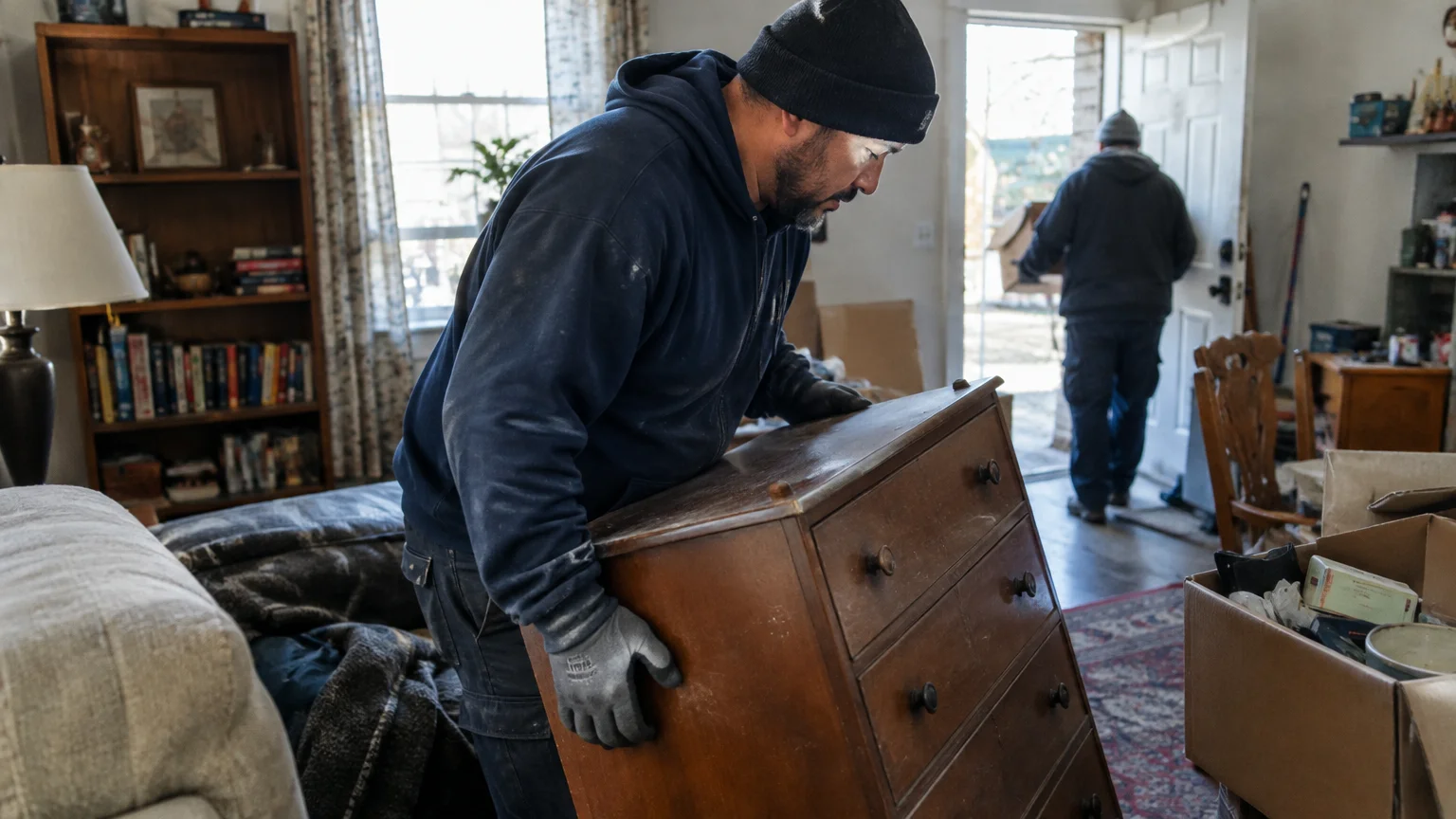
An estate cleanout or move-out is easier when one person guides choices, access, and timing. Make sure everyone with authority agrees on what may leave. Then put records and important belongings aside before arranging removal, donation, or recycling.
How can family members or property stakeholders coordinate?
Choose one main contact to keep the plan in order. Share a room and item list, and give family members a clear way to mark what they want to keep. Set a date for choices, but leave time to look over personal belongings with care. This can help prevent disagreement on removal day.
For a rental or foreclosed home, check who has permission to enter and make choices. Read the lease, sale papers, or property directions before removing anything. Keep a record of items that must stay, and do not throw out papers or equipment that belongs to someone else. Clear approval helps protect everyone involved.
How should deadlines, documents, and access be handled?
Write down important dates for moving out, repairs, property access, and pickup. Keep keys, entry details, and the name of the person in charge together. Before the cleanout starts, take out personal papers, medicines, valuables, and anything the owner needs to take along.
If the property has limited access or building rules, share those details ahead of time. Ask if you need to arrange a loading area, elevator, or parking space. A clear plan helps the crew reach items without bothering neighbors or blocking shared areas. After removal, walk through the home and check that nothing marked to stay is gone.
What are the key takeaways for a successful whole house cleanout?
A successful cleanout begins with a clear goal and a safe plan. Sort items before removal, protect important belongings, and check local rules for goods that need special care. If the work is too large or heavy to manage safely, choose a removal plan that fits the home and its schedule.
What checklist keeps the project moving?
- Decide which rooms and storage areas need to be cleared.
- Set aside papers, valuables, medicines, and belongings that must stay.
- Sort items into keep, donate, recycle, and remove groups.
- Check local rules for appliances, electronics, chemicals, and restricted goods.
- Clear safe paths and share access details before pickup.
- Walk through the home after removal to check the result.
Use this list as a guide, not a reason to rush. A house cleanout may need more than one sorting session, especially when several people must agree. Keep donation goods clean and separate, and check that the receiving group accepts them before drop-off. Arrange removal after belongings that must stay are clearly marked.
Conclusion
A whole house cleanout does not need to happen all at once. A room-by-room plan, clear sorting groups, and safe handling can make the work easier. Homeowners can do light sorting and cleaning themselves, then get help with large or hard-to-move items. Contact us to plan your cleanout with Pflugerville Junk Removal.
Key takeaways
- Plan the rooms, timing, and goal before moving belongings.
- Sort items clearly and protect important or personal belongings.
- Check local guidance before handling restricted goods or appliances.
- Do simple sorting and light cleaning yourself; get help with unsafe lifting.
- Confirm access, accepted items, and the removal plan ahead of time.
Frequently Asked Questions
How do you get rid of old or broken furniture?
First, check whether the furniture is clean and useful enough to donate. If it is damaged or no group will take it, arrange a suitable large-item pickup or removal service. Clear a safe path before moving it, and do not try to carry a heavy or awkward piece alone.
How do you clean out a foreclosed home?
Start by confirming who has legal permission to enter and decide what may be removed. Check the property directions and keep anything that must stay. Sort belongings, protect papers and valuables, and plan separate handling for restricted goods. A removal service can help after the owner or property manager approves the items.
How can you get rid of a refrigerator or other appliance?
Remove food and loose items, then ask the local waste agency, recycling program, or removal provider about its rules. Some appliances need special handling or a set collection route. Do not disconnect gas or water lines unless a qualified person can do so safely. Keep children away from an appliance waiting for pickup.
How do companies handle large-scale cleanouts?
A removal company needs to know which rooms are involved, what should go, and how the crew can reach the items. The homeowner should point out anything that must stay and mark heavy, fragile, or restricted goods. The company can then confirm which items it accepts and explain how the work will be set up.
What should be done with household items that cannot be donated?
Check whether the item can be recycled or needs a special drop-off. Local rules can differ, especially for appliances, electronics, chemicals, and batteries. Keep restricted goods apart from regular junk and ask the local waste agency or a removal provider about accepted options. Do not leave items at a donation site without approval.
If you are unsure what an item is or how it should be handled, pause before moving it. You can Contact us to ask Pflugerville Junk Removal about the removal process and next steps.
If you are not sure what you are dealing with, it is worth having someone look at it before it turns into a bigger job. Get in touch with Pflugerville Junk Removal today and we will tell you where you stand.