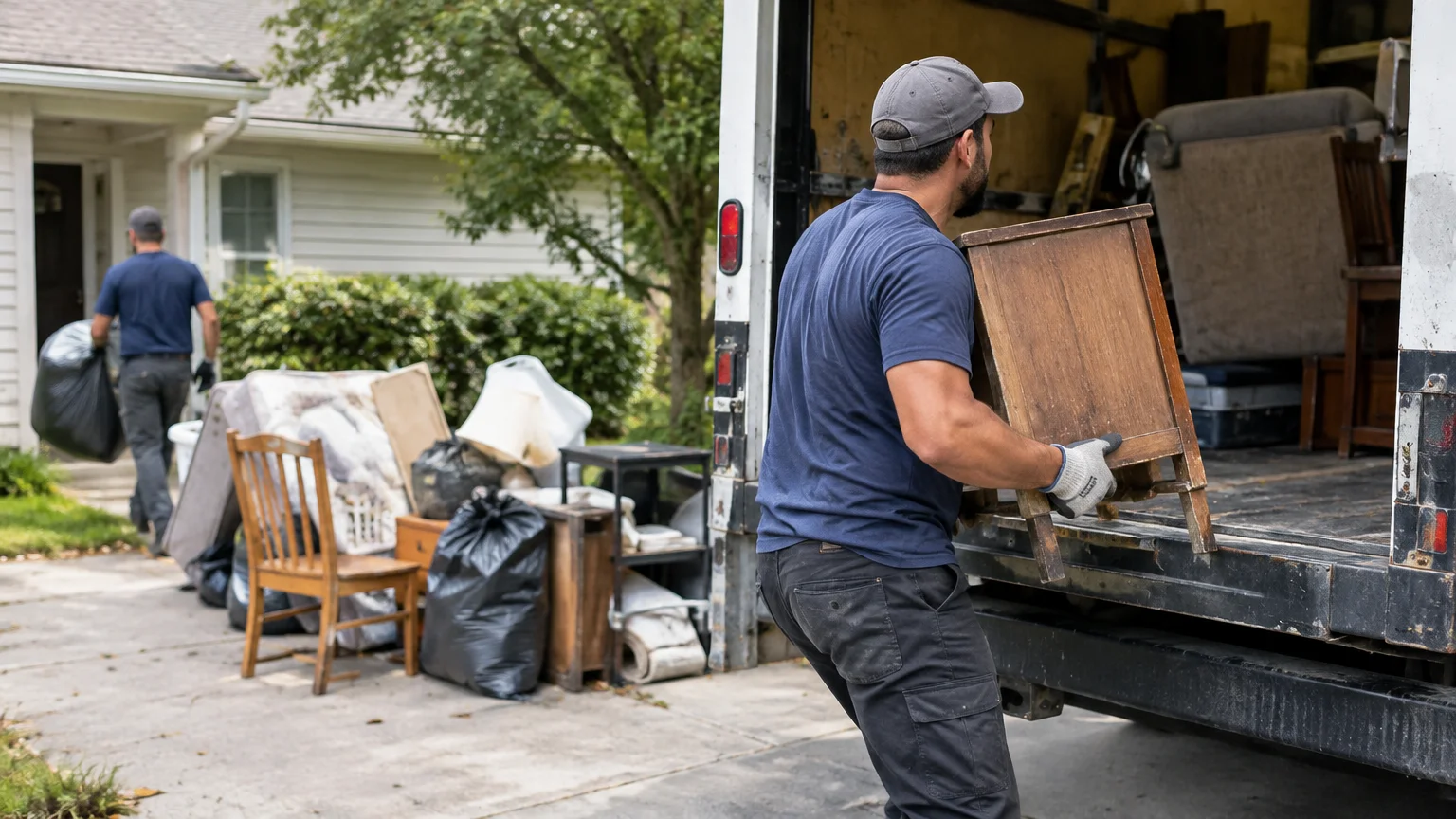
During an office cleanout, trash is anything the business no longer needs that cannot be reused or passed on. It may include broken furniture, worn supplies, and unwanted equipment. Sort items before removal so useful goods, recyclables, and items needing special care stay separate. This helps Pflugerville businesses avoid disposal mistakes.
What counts as trash during an office cleanout?
Office trash is any unwanted item set aside for disposal or removal. It may include everyday waste, large furniture, and equipment that no longer works for the business. Whether an item belongs in the trash depends on its condition, whether someone can use it, and how it should be handled.
How can a business tell trash from reusable office items?
A sturdy desk with a clear work surface may still be useful, even if the office no longer needs it. A chair with a broken frame or sharp edges may be trash. Before throwing something away, staff can check whether another team, a local reuse group, or a donation program can take it.
This quick check can keep useful items out of the waste stream. It also helps staff avoid treating every unwanted item as ordinary trash. Look over furniture, storage units, and supplies before putting them in a disposal pile. In Pflugerville, businesses can use the same sorting steps for one room or a full office cleanout.
Which office materials may need special handling?
Some items should not go in regular trash. Computers, monitors, printers, batteries, and other electronics may need a separate recycling or drop-off option. Private papers may need secure shredding. Check building rules and local waste guidance before setting these items aside.
Large furniture also takes planning. Desks, cubicles, and filing cabinets can be heavy or hard to move. A fridge or other appliance may have parts that need special disposal. Keep these items separate so a removal team knows what is on site and how the business wants them handled.
How should a business sort office trash before removal?
A business should sort items into clear groups before removal: general waste, reusable goods, recyclables, and items needing special care. This makes the work easier to plan. It also lowers the chance that useful or sensitive items end up in the wrong pile.
How should staff separate waste, recycling, and reusable items?
Start by walking through the space and marking what stays, what can be reused, and what must go. Use signs or labels that staff can read quickly. Keep walkways and exits clear while sorting. Do not stack heavy items where they could fall.
A short checklist can help staff sort items in a steady way:
- Set aside furniture and supplies that are still safe and useful.
- Group clean paper, cardboard, and accepted recyclables away from general waste.
- Mark broken furniture and bulky items for removal.
- Keep electronics, batteries, and appliances in a separate area.
- Set private papers aside for secure handling.
Building rules and local recycling choices can differ. A property manager can tell staff which materials the building accepts. If the right place for an item is unclear, pause and ask before putting it with general waste.
How should businesses handle electronics and private papers?
Keep computers, monitors, printers, and other electronics together, but do not assume they belong in regular trash. Check whether the business has a recycling partner or a plan for clearing stored data. Keep private files apart from ordinary paper recycling until they are handled safely.
These steps matter for a small office move or a large cleanout. Pflugerville Junk Removal can help businesses plan the removal of unwanted office items. A clear item list also helps the team understand what should leave and what must stay on site.
How can businesses prepare for office trash removal?
Businesses can prepare by setting a removal date, making an item list, and planning safe access to the space. Staff should know what stays, what goes, and who can answer questions on removal day.
How should a business plan access, timing, and staff duties?
Choose a time that works with the building’s rules and the business schedule. Check loading areas, service doors, elevators, and any sign-in steps for visitors. Tell staff which rooms are part of the cleanout. Mark items that must not be moved.
Choose one person to guide the work and answer questions. That person can confirm which furniture, supplies, and electronics are ready to leave. Other staff should not carry heavy or awkward items unless they have the right training and a safe path. Simple planning helps keep people, work areas, and building access organized.
How should businesses coordinate with property managers and tenants?
Property managers and tenants should agree on access, timing, and shared-space rules before removal begins. They can also confirm where items may be placed while waiting and whether the building needs notice. This helps when offices share a loading area or nearby teams are still working.
For a large cleanout, divide the space into zones and make a list for each one. This can help the team clear desks, cubicles, storage rooms, and shared areas without mixing items from different tenants. Businesses handling an empty or foreclosed property can use the same steps. First, decide what belongs to the owner, what may be reused, and what needs removal.
What should businesses consider when choosing an office cleanout solution?
The right office cleanout plan depends on the amount and type of material, building access, staff time, and how each item must be handled. A business can do some sorting itself, then seek help with bulky furniture, mixed debris, or a full office clearout.
When should a business manage disposal itself or hire a removal service?
Staff can often handle light sorting, basic cleaning, and simple upkeep on their own. They can box supplies, sort paper, and label furniture that should stay. They should not try to move heavy appliances, large furniture, or unsafe materials without proper training and equipment.
A removal service may help when there are more items than staff can move safely, little time, or difficult access. When comparing options, ask what items the team can collect and how it handles bulky pieces. The plan should fit the space and the business schedule, not follow the same steps for every job.
What handling and records should a business confirm?
Before work starts, confirm which items are included and which need another plan, such as electronics recycling or secure paper handling. Ask how the team will enter the site and whether staff need to prepare items in a certain way. If the property manager needs records or proof of removal, agree on that before the work begins.
These details can prevent last-minute questions and make the handoff clear. They also help a business decide whether it needs general junk removal, separate recycling plans, or both. A clear list and one person to answer questions can keep the cleanout organized from sorting through the final check.
Key takeaways
- Trash may include unwanted furniture, supplies, and equipment, but not every unwanted item belongs in general waste.
- Sort reusable items, recyclables, electronics, private papers, and bulky debris into separate groups.
- Plan building access, timing, staff roles, and tenant needs before removal day.
- Staff can sort and clean simple items, but should not move heavy or unsafe items without proper help.
Frequently Asked Questions
How can a business get rid of old office furniture?
First, check whether desks, chairs, and cabinets are safe and useful for another team or reuse group. Set damaged pieces aside for removal. For bulky or heavy furniture, plan a safe path through the building and confirm access with the property manager before moving anything.
How should a business dispose of an old fridge?
Do not assume an old fridge can go with regular office trash. Check local disposal guidance and building rules, then arrange a suitable appliance collection or drop-off. Keep the unit clear of other items. Tell the removal team what it is before the cleanout begins.
Can broken office furniture go in regular trash?
Small broken items may fit local waste rules, but large furniture often needs a separate collection plan. Check building guidance and local disposal choices first. Keep pieces with sharp edges or loose parts away from walkways. Do not ask staff to move heavy furniture without safe equipment.
How do companies handle large office cleanouts?
Companies often start with a list of rooms, items, and handling needs. Then they plan access and timing with the property manager. Staff can sort reusable goods, general waste, electronics, and private papers into separate groups. A removal team can follow the agreed list and note items that need another disposal route.
Conclusion
A well-planned office cleanout starts with sorting, clear staff roles, and a safe plan for bulky items. Businesses can handle simple preparation themselves and arrange help for large loads or items needing special care. For an office cleanout and nearby areas such as Downtown Pflugerville, Falcon Pointe, Round Rock, Hutto, Manor, and Wells Branch, Contact us to plan the next steps with Pflugerville Junk Removal. Learn more about Pflugerville Junk Removal and its services.
If you are not sure what you are dealing with, it is worth having someone look at it before it turns into a bigger job. Get in touch with Pflugerville Junk Removal today and we will tell you where you stand.